

-
By Industrie
-
March 25, 2026
- 0 Comment
When Did You Last Test Your Drinking Water? Here Is Why It Matters
Your Water Looks Clean, But Is It Really Safe?
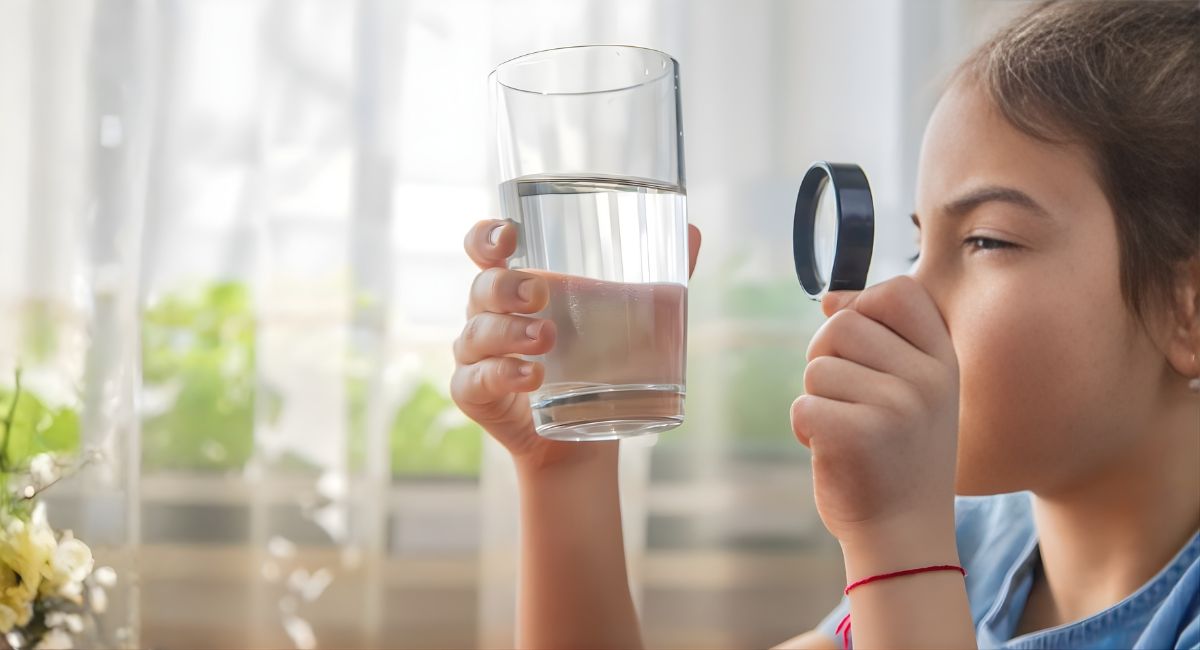
Most of us pour a glass of water, check that it looks clear, and drink it without a second thought. But here is the uncomfortable truth, water can look perfectly clean and still contain dissolved heavy metals, harmful bacteria, excessive hardness minerals, and chemical contaminants that are completely invisible to the naked eye.
In India, water quality varies significantly from one locality to another, one building to the next, and even one floor to another within the same society. Municipal supply lines age and corrode. Borewell water carries region-specific mineral profiles. Overhead tanks accumulate sediment and microbial growth. And yet, the vast majority of Indian homes have never once had their drinking water professionally tested.
If you cannot remember the last time you tested your water, or if you have never tested it at all, this blog is for you.
What Is Water Testing and What Does It Check For?
Water testing is a professional diagnostic process that analyses your water supply across multiple parameters to identify contaminants, measure mineral content, and assess overall safety for drinking, cooking, and household use.
A comprehensive water test typically covers three categories of parameters:
Physical Parameters
These include colour, odour, turbidity, and total dissolved solids (TDS). High TDS levels indicate excessive mineral content, a common issue in Indian groundwater, and are often the first sign that your water requires treatment.
Chemical Parameters
This covers pH levels, hardness, chlorine content, nitrates, fluoride, iron, lead, arsenic, and other dissolved chemicals. Many of these are odorless and colourless, making them impossible to detect without a proper test. Elevated levels of any of these can have serious long-term health consequences.
Biological Parameters
Bacterial and microbial contamination, including coliform bacteria and E. coli, fall under this category. Biological contamination is particularly dangerous for children, elderly individuals, and anyone with a compromised immune system.
Why Most Indian Homes Never Test Their Water
Despite the clear importance of water testing, most households skip it entirely. The reasons are familiar, it feels unnecessary if the water looks fine, the process seems complicated, and there is a general assumption that municipal supply or an installed purifier is sufficient protection.
The reality is different. Even homes with RO purifiers installed need periodic water testing to verify that the system is performing correctly and that output water meets safe drinking standards. Filters degrade, membranes lose efficiency, and TDS levels creep up gradually, all without any visible warning signs.
Water testing is not a one-time exercise. It is an essential part of responsible water management for every home and facility.
The Hidden Dangers of Untested Drinking Water
When water goes untested for extended periods, the risks are not always immediately visible. They accumulate slowly: affecting health, damaging appliances, and corroding infrastructure quietly over time.
Hard Water and Its Long-Term Impact
Hard water, high in calcium and magnesium, is one of India’s most widespread water quality issues. It deposits scales inside pipes, geysers, and appliances, reducing efficiency and shortening equipment lifespan. Most households only discover the problem after appliances begin failing, by which point, the damage is already done.
Heavy Metals and Chemical Contamination
In areas with aging infrastructure or industrial proximity, water can carry traces of lead, arsenic, and iron, linked to kidney damage, neurological issues, and developmental problems in children. Chemical contamination from agricultural runoff adds further risk, and targeted filtration can only be recommended after proper water testing identifies what is present.
Bacterial and Microbial Presence
Coliform bacteria and E. coli in drinking water cause acute gastrointestinal illness, and for infants, elderly individuals, and immunocompromised patients, the consequences can be severe. Microbial contamination enters through overhead tank leaks, plumbing cross-connections, or municipal treatment failures, none of which are visible without testing.
Who Should Get Their Water Tested?
The straightforward answer is, everyone. But certain situations make water testing particularly urgent:
- Homes that have never tested their water supply
- Families with infants, elderly members, or individuals with health conditions
- Residential societies and gated communities relying on borewell or tanker supply
- Hospitals, clinics, and healthcare facilities where water quality is critical
- Hotels, restaurants, and food processing units with regulatory compliance requirements
- Industrial and manufacturing facilities managing process water quality
- Any facility considering sewage water treatment, where feed water quality affects system design
- Homes where an existing RO purifier has not been serviced in over six months
How Often Should You Test Your Water?
For most households, an annual water test is the minimum recommended frequency. High-usage facilities- hospitals, hotels, food production units, and industrial plants, should test more frequently, typically every three to six months.
If your area has recently experienced infrastructure changes, flooding, or reports of water quality issues, an immediate test is strongly advisable regardless of when your last test was conducted.
For facilities managing sewage water treatment systems, regular feed water and treated output testing is essential to verify that the STP is performing within regulatory discharge norms and that treated water being reused meets the required quality standards.
What Happens After the Water Test?
A professional water test does not just hand you a report and leave you to figure out the rest. The real value lies in what comes next- a clear, actionable recommendation based on your specific water quality findings.
If your test reveals high TDS and hardness, a water softener or RO purifier may be recommended. If bacterial contamination is detected, UV treatment or a complete purification system upgrade may be necessary. If chemical contaminants are found, targeted filtration solutions addressing those specific compounds will be advised.
For households or tenants who need an immediate, low-commitment solution after a water test reveals contamination, RO on rent is an increasingly popular option. Rather than investing in purchasing a purifier outright, an RO on rent plan provides a fully installed, regularly maintained purifier at a simple monthly fee, with zero upfront cost and complete service coverage included. It is the most practical response to a water testing result for tenants, short-stay residents, and families in rental accommodation who need clean water without long-term financial commitment.
Why Professional Water Testing Matters More Than DIY Kits
Home water testing kits available online can give you a basic TDS reading or a rough indication of hardness, but they fall significantly short of a comprehensive professional assessment. They cannot detect heavy metals, biological contamination, or specific chemical compounds with the accuracy required to make informed treatment decisions.
A professional water test uses calibrated laboratory equipment and established testing methodologies to deliver precise, reliable results across all critical parameters. The report you receive is not just a number, it is a detailed breakdown of your water’s composition that a qualified water treatment expert can use to design the right solution for your specific situation.
Aquastag’s Free Water Testing Service, What It Covers
At Aquastag, we offer professional water testing as the starting point for every client relationship, because the right water treatment solution can only be recommended after understanding what is actually in your water.
Our water testing service covers physical, chemical, and biological parameters and is conducted by trained technicians using calibrated equipment. Once the test is complete, our team provides a clear report along with a personalized recommendation, whether that is a domestic RO purifier, a water softener, an industrial RO plant, a sewage water treatment system, or a simple RO on rent plan for immediate coverage.
We serve homes, residential societies, hospitals, hotels, schools, commercial complexes, and industrial facilities, and our water testing service is designed to be the first step in a long-term water management relationship built on transparency, expertise, and genuine care for your health and infrastructure.
Conclusion, Pure Water Begins With Knowing What’s In It
Clean water is not something you can assume, it is something you verify. Regular water testing is the single most important step any home, facility, or industry can take toward genuinely safe water management. It removes guesswork, reveals hidden risks, and enables targeted, cost-effective treatment decisions.
Whether the result leads to a full sewage water treatment plant for your society, a domestic RO purifier for your home, or a simple RO on rent arrangement for your rental apartment, it all starts with knowing exactly what is in your water.
When did you last test yours?
Get your water tested today. Contact Aquastag for a free water quality assessment and let our experts recommend the right solution for your home or facility.
Book a Free Water Test → | Contact Us →
Frequently Asked Questions About Water Testing
Q1. How do I know if my drinking water is safe without getting it tested?
You cannot, and that is precisely the point. Water can look, smell, and taste completely normal while still containing harmful levels of heavy metals, bacteria, or chemical contaminants. The only way to know for certain that your drinking water is safe is through a professional water test conducted by trained technicians using calibrated equipment.
Q2. How long does a professional water test take?
A standard on-site water testing visit typically takes 30 to 60 minutes. The detailed laboratory analysis and final report are usually shared within 24 to 48 hours, along with a personalized treatment recommendation based on your specific water quality findings.
Q3. Is RO on rent a good option after a water test reveals contamination?
Absolutely. If your water test reveals contamination and you need an immediate, low-commitment solution, especially as a tenant or short-stay resident, RO on rent is the most practical option. You get a fully installed, regularly maintained RO purifier at a simple monthly fee with zero upfront cost and complete service coverage included.
Q4. Does my housing society need a sewage water treatment plant?
If your residential society exceeds the capacity threshold defined by your state’s pollution control board, a Sewage Treatment Plant is legally mandatory. Beyond compliance, an STP allows your society to recycle treated water for flushing, irrigation, and vehicle washing, significantly reducing freshwater dependency and monthly water bills.
Q5. How is Aquastag’s free water testing different from a DIY kit?
DIY kits provide basic TDS readings but cannot detect heavy metals, biological contamination, or specific chemical compounds accurately. Aquastag’s professional water testing covers all critical physical, chemical, and biological parameters, delivered by trained technicians with a detailed report and actionable treatment recommendation included at no cost.